
 Back to cart


 Contact


The history of the wedding ring
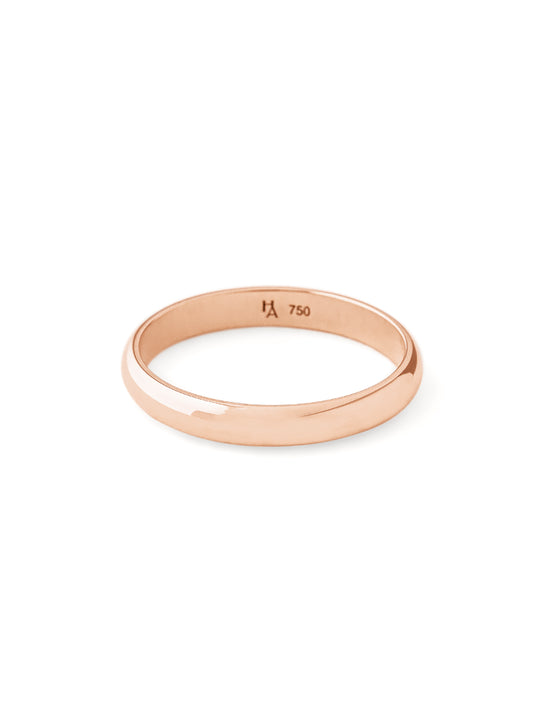
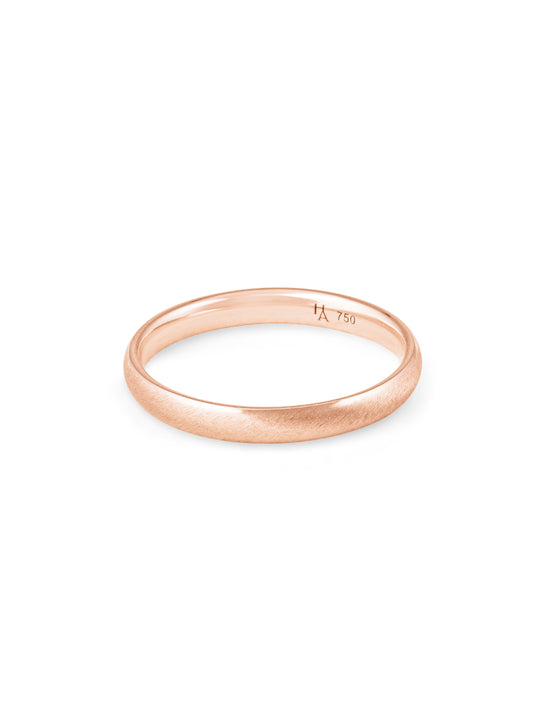
Unlike the engagement ring, the exact origin of the wedding ring is unknown. Moreover, as we have seen, the engagement ring was originally already a band. It was from the 15th century onwards that the two pieces of jewelry were clearly distinguished. The ring was then to be adorned with a precious stone (often a diamond), while the wedding band was a simple ring.

Divergent origins but an ancient tradition
The first examples of wedding rings date back to ancient Egypt, nearly 6,000 years ago. At that time, wedding rings were bands made of hemp or reeds that were exchanged between newlyweds. The circle being a symbol of eternity for the Egyptians, the ring symbolized eternal love.
In ancient Greece and Rome, the ring was transformed into an iron band.
Medieval Europe maintained the tradition, but the conventions surrounding the wedding ring evolved over time and across geographies.
Difference from the engagement ring
The engagement ring is the piece of jewelry given when proposing marriage; the engagement period then begins, generally dedicated to preparing for the wedding ceremony. This piece of jewelry may or may not be a surprise.
The wedding ring, on the other hand, is the band exchanged during the wedding ceremony, most often after the vows. It is a ring worn by both men and women, as a sign of their union.
Traditionally, it is a simple band, made of gold or silver, without embellishment.
Wedding rings are often chosen to be worn identically by the couple, but this tradition has evolved over time.
The mutual exchange of wedding rings in Western civilization is believed to date back only to the 19th century; before that, only the groom placed the ring on his bride's finger.
The style of wedding rings
Wedding rings thus seal the union. However, wedding rings can offer a variety of styles.
Thus, there are wedding rings composed of several intertwined bands, often three in number and of different colors: white, yellow, and rose gold.
Some wedding rings are also inlaid with diamonds or other stones. The bands vary in thickness and have various surfaces: domed, grooved, etc.
Finally, wedding rings are often engraved. The simple shape of the band allows for engraving initials and the wedding date, or even personal messages, on the inside or even the outside.
On which finger to wear the wedding ring
In France, the wedding ring is traditionally worn on the left ring finger. It then replaces the engagement ring, which is moved to the ring finger of the right hand.
If their size and style allow, both pieces of jewelry can be worn together on the same finger.


